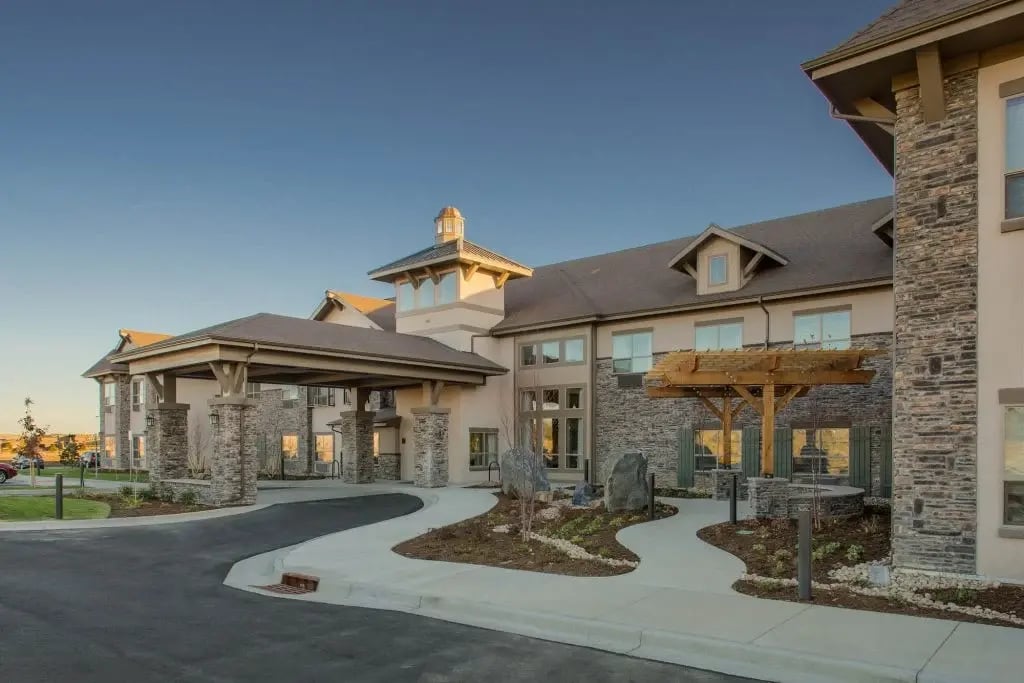

The Peaks at Old Laramie Trail offers steady, reassuring care for seniors experiencing memory changes or mood shifts. The community focuses on familiar routines, thoughtful engagement, and a calm environment that helps residents feel grounded throughout the day. Families in Lafayette, CO, gain a clear path toward supportive care that feels warm, structured, and genuinely attentive.
Picture a daughter walking into the community on a crisp Colorado morning after noticing her mother has grown unsettled by sudden confusion and emotional swings. She is not alone in her search for steadier days, since many families begin exploring care options the moment these subtle changes start interrupting daily life.
A team member greets her, explains how personalized rhythms guide each resident, and shows spaces designed to reduce overstimulation. The quiet confidence of that walkthrough often becomes the moment families realize that a calmer, more predictable day is possible.
What Makes Memory Care at The Peaks at Old Laramie Trail Supportive for Daily Mood Changes in Aging? Activities
Residents experiencing daily mood shifts often respond best to activities that feel familiar, purposeful, and easy to join. The Peaks at Old Laramie Trail builds its activity calendar around these principles, creating gentle opportunities for engagement that match each resident's comfort level. Programs are offered in smaller groups so the pace stays calm, which helps residents participate without feeling overwhelmed.
The following experiences provide structure and emotional support for seniors while giving residents space to express themselves in ways that feel natural:
- Familiar themes
- Seasonal crafts
- Music sessions
- Simple hands-on projects
These shifts help residents stay connected without pushing beyond their energy.
Benefits of Structure in Assisted Living
A consistent daily rhythm often becomes one of the most stabilizing elements for individuals in memory care in Lafayette. Structure reduces the number of decisions a resident needs to make, which eases stress and helps them move through the day with greater comfort.
Predictable mornings, familiar mealtimes, and clearly signaled transitions create a steady flow that supports orientation and reduces confusion. This sense of continuity helps residents feel grounded, especially during moments when memory may feel less reliable.
Structured routines also give residents meaningful touchpoints that build confidence. When they know what comes next, participation becomes easier and moments of frustration lessen.
Staff can tailor these routines to match personal preferences, whether someone enjoys starting their day with quiet time, conversation, or light movement. These thoughtfully built patterns give the resident a safe framework where they can thrive, connect, and enjoy a smoother emotional landscape within the supportive setting of The Peaks at Old Laramie Trail.
Dining
Shared meals often become quiet anchors in the day for residents experiencing memory or mood shifts. At The Peaks at Old Laramie Trail, dining is designed to feel welcoming, unhurried, and easy to navigate.
Consistent mealtime schedules help residents orient themselves, while the familiar layout of the dining spaces reduces uncertainty. Warm lighting and predictable table settings create an atmosphere that feels safe and settled, which supports calmer transitions into each meal.
Meals themselves are crafted with comfort and nutrition in mind. Staff pay close attention to pacing, offering gentle prompts and assistance when needed so residents never feel rushed.
Winding Down for the Day
Evening hours can feel challenging for individuals experiencing memory or mood shifts, especially when daylight changes or fatigue begins to build. The Peaks at Old Laramie Trail uses a calm, predictable evening routine to help residents transition into a more settled state. The following elements help ease the shift from daytime engagement to nighttime rest:
- Soft lighting
- Quiet hallways
- Gentle conversation
- Reading time
- Soothing music
These cues reduce disorientation and support steadier emotions as the day winds down.
Care teams stay attentive to signs of restlessness or confusion, offering reassurance when needed. A consistent bedtime pattern builds trust and creates a sense of safety, which helps residents sleep more comfortably.
Frequently Asked Questions
What Signals Suggest That a Loved One May Benefit From Senior Living?
Families often notice small signs someone might need early-stage dementia care before a loved one expresses any concerns.
Frequent confusion about time or location, or difficulty keeping up with meals and household chores, often hints that daily life is becoming harder to manage.
Mood changes can surface, too, including withdrawing from favorite activities or relying on family for repeated reassurance throughout the day.
Physical cues also matter. These often signal a need for safer surroundings:
- Unsteady balance
- Minor falls
- Growing hesitation when moving around the home
- Changes in hand strength or grip
When these signs start appearing together, they usually point toward a moment when consistent support could bring comfort.
How Can Families Prepare a Loved One for the Transition Into Memory Care?
Preparation works best when it feels gentle and familiar. Families often begin by introducing the idea of memory care through calm conversations that focus on comfort, routine, and safety rather than change.
Visiting the community together helps the environment feel recognizable, especially when the loved one can meet team members, see common areas, and connect the space with a positive experience.
Bringing personal items on move-in day also makes a meaningful difference:
- Favorite blankets
- Framed photos
- Familiar music
- Everyday objects
These help the new space feel like home from the beginning.
How Do You Choose the Right Community for Your Loved One?
Selecting the right community starts with understanding what helps your loved one feel safe, steady, and seen. Families usually begin with a visit, since walking the halls, observing daily routines, and watching interactions between residents and team members gives a truer sense of the environment.
It also helps to look closely at how care teams communicate and how they personalize support. Ask about:
- Daily rhythms
- Meal experiences
- Activity options
- Staff training
This reveals how well the community adapts to changing needs.
The Peaks at Old Laramie Trail: Explore Today
Clearly, The Peaks at Old Laramie Trail can be a great option for many seniors.
Experience how steady routines, warm surroundings, and attentive memory care can bring a sense of calm back into each day. Families who visit The Peaks at Old Laramie Trail often say the lodge's inspired setting and thoughtful programming help their loved ones feel grounded again.
Contact us and discover a community where reassurance feels immediate the moment you walk in.