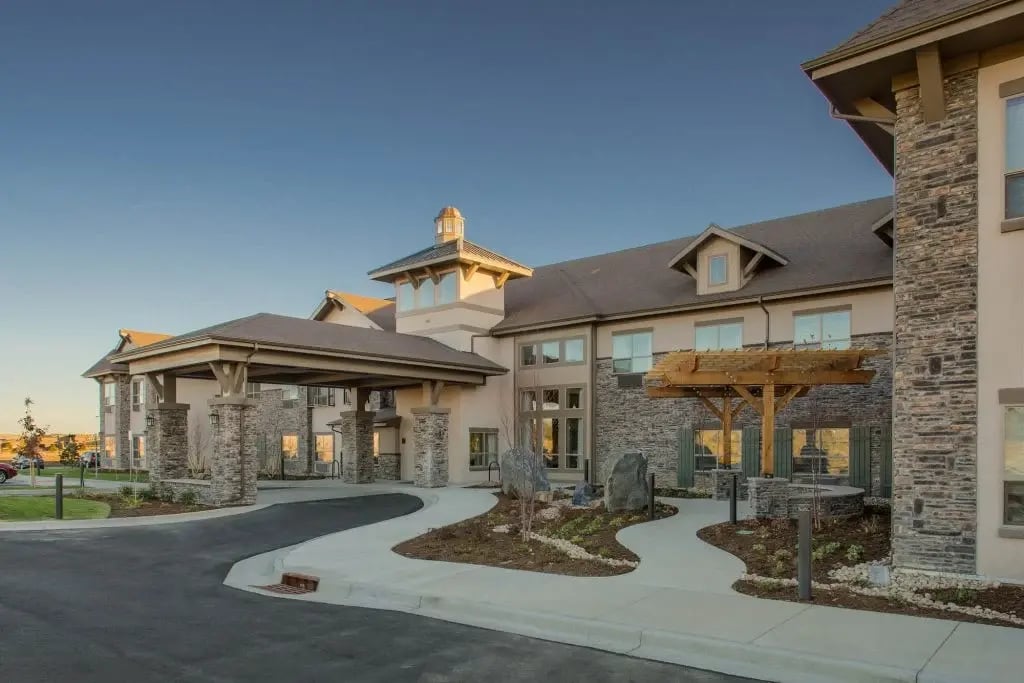

Memory care in Colorado offers specialized support and structured programs designed to meet the unique needs of individuals with memory loss. Alzheimer's care provides daily support and promotes cognitive health for older adults.
Data from the Common Sense Institute of Colorado shows that 17% of Colorado's population is 65 and older. For those seeking dementia support in Colorado, families should prioritize researching trained staff and safe environments.
Finding memory care is not a one-size-fits-all approach. Personalized care planning helps address individual needs and daily routines.
Lafayette, CO, offers seniors a vibrant, suburban lifestyle and substantial tax breaks. Explore this family memory care guide for choosing senior living and memory care in this welcoming city.
What Core Services Define High-Quality Memory Care in Colorado?
High-quality memory care in Colorado prioritizes safety and personalized support. Staff are trained to manage Alzheimer's and dementia.
Residents receive help with daily tasks and medication. Programs include activities that stimulate the mind. Nutritious meals support overall health and energy.
Emotional support is provided to ease stress and anxiety. Residents benefit from structured routines and compassionate attention.
Social engagement is offered through small groups or one-on-one time. Secure environments prevent wandering and reduce risks.
Families receive regular updates on the care and progress of loved ones. Personalized care plans adjust as needs change.
Quality memory care promotes independence and well-being daily.
How Do Staff Training and Expertise Affect Memory Care Quality?
Staff training directly impacts memory care quality. Well-trained professionals understand Alzheimer's and dementia behaviors.
Professional expertise ensures seniors receive the proper assistance with daily tasks.Utilizing consistent emotional support reduces stress and promotes comfort.
Training includes safety protocols and emergency procedures. Any health changes are noticed early and addressed quickly.
Strategic communication techniques help staff connect with residents. Using calm responses reduces confusion and agitation.
Knowledgeable staff improve medication management and adherence. Families gain greater confidence in the care provided.
Skilled staff enhance both senior safety and well-being. Their presence helps residents feel supported and engaged throughout each day.
What Role Does Personalized Care Planning Play in Dementia Support?
According to the Alzheimer's Association, an estimated 7.2 million Americans over 65 in the U.S. currently have Alzheimer's. Alzheimer's care requires individualized planning that adapts to changing needs and supports daily functioning.
Personalized care planning focuses on each resident's unique needs. Staff design routines that reflect daily habits and preferences.
Families contribute insights to guide meaningful support. Care goals center on comfort and maintaining abilities.
Plans adjust as residents' skills or behaviors change. Activities and events are tailored to match interests to encourage participation.
Thoughtful planning strengthens trust and emotional security. As a result, each day feels safer and more predictable.
What Types of Daily Activities Promote Cognitive Health in Memory Care?
Daily activities in memory care support mental stimulation and well-being. These experiences make daily life engaging and meaningful and may include:
- Puzzles and memory games
- Music and art
- Gentle exercise
- Discussion groups
- Gardening
- Cooking
Simple puzzles and memory games challenge the brain. Music and art sessions encourage creativity and focus.
Gentle exercise improves coordination and circulation. Discussion groups promote comprehension and social interaction.
Hands-on tasks, like gardening or cooking, help seniors maintain practical skills. Participating in hands-on tasks also helps residents practice problem-solving and fine motor coordination.
Sensory activities engage sight and touch to boost awareness. Celebrating achievements encourages confidence.
Daily engagement helps maintain cognitive function.
How Important Are Safety Features and Secure Environments?
Safety features are crucial in memory care. As many as 35% to 60% of people with dementia will attempt to wander at least once (National Library of Medicine).
Secure environments prevent wandering and reduce accidents.
Monitored entrances and exits help keep residents safe. Handrails and non-slip flooring minimize falls. Proper lighting helps residents move safely.
Clear signage guides residents and supports independence. Reviewing safety protocols addresses potential risks.
Emergency call systems provide immediate assistance when needed. Locked cabinets keep medications and hazardous items out of reach.
Having a secure environment gives families peace of mind. Residents feel protected while maintaining their daily freedom.
How Are Daily Routine and Personal Independence Supported in Memory Care?
Memory care programs create structured daily routines to provide consistency. Residents follow schedules that balance:
- Activities
- Meals
- Rest
- Hygiene
- Socialization
- Exercise
Staff offer guidance while encouraging residents to perform tasks independently. Personal care, like dressing or hygiene, is supported but not done for them.
Offering choices in daily activities promotes autonomy and confidence. Gentle reminders help residents stay on track without frustration. Staff monitor progress and adjust routines as needed.
Familiar patterns reduce anxiety and build security. Residents maintain a better sense of control over their day.
Consistent routines support both independence and well-being in memory care.
Frequently Asked Questions
Are Memory Care Programs Flexible for Changing Needs?
Memory care programs adjust services as residents' health evolves. Specialized therapies can be added or modified over time.
Meal plans and activity schedules change to match energy levels. Staff coordinate with outside healthcare providers for new needs.
Flexibility ensures residents continue receiving support that aligns with their abilities and comfort.
How Can Families Tour and Assess a Memory Care Community?
Families should schedule community visits to observe daily routines and interactions.
Touring common areas and private spaces reveals cleanliness and safety. Asking about activities and dining supports meaningful resident engagement.
Observing resident-staff interactions helps family members gauge compassion and responsiveness. Meeting with staff provides insight into training and care approaches.
What Technology or Tools Are Used to Enhance Resident Safety?
Implementing technology in memory care improves safety while encouraging independence. Smart sensors monitor room conditions, like air quality.
Digital reminders help residents follow daily routines. Motion-activated lighting guides safe movement at night.
Incorporating adaptive tools supports mobility and daily tasks.
Experience Upscale Senior Living at The Peaks at Old Laramie Trail in Lafayette, CO, Today
Memory care in Colorado provides specialized support and structured programs for individuals with memory loss. Personalized care planning and trained staff help maintain residents' well-being. Safe environments and engaging activities promote cognitive health and emotional stability for seniors.
The Peaks at Old Laramie Trail, located in Lafayette, CO, offers memory care and assisted living services. Our Vibrant Life® program delivers engaging activities and personalized support.
We strive to enhance daily living and promote senior independence. Contact The Peaks Memory Care at Old Laramie Trail to schedule a community tour or to request further information today.